

Can a simple sniff of a certain scent really calm your frazzled nerves and ease anxiety? The answer lies in the power of aromatherapy, a holistic healing treatment that uses essential oils to promote relaxation and well-being.
Aromatherapy has been used for centuries to manage stress and anxiety, offering a natural alternative to traditional treatments. By harnessing the therapeutic properties of essential oils, individuals can find relief from anxiety symptoms and improve their overall mental health.
Key Takeaways
Table of Contents
- Aromatherapy is a natural approach to managing anxiety and stress.
- Essential oils have therapeutic properties that promote relaxation.
- Aromatherapy can be used in conjunction with traditional treatments.
- Certain scents can have a calming effect on the mind and body.
- Aromatherapy is a non-invasive and holistic healing treatment.
Understanding Aromatherapy for Anxiety Management
With the rise in anxiety disorders, understanding the role of aromatherapy in anxiety relief is crucial. Aromatherapy, a holistic healing treatment, utilizes essential oils derived from plants to promote physical and emotional well-being.
What Is Aromatherapy and How It Works
Aromatherapy involves the inhalation of essential oils, which can be achieved through various methods, including diffusion, topical application, or inhalation. The therapeutic properties of these oils interact with the brain, influencing emotions and physiological responses. By stimulating the brain’s limbic system, aromatherapy can help alleviate anxiety symptoms.
The process begins with the selection of appropriate essential oils known for their calming effects, such as lavender and chamomile. These oils are then used in a diffuser or mixed with a carrier oil for massage therapy. The choice of method depends on personal preference and the specific anxiety relief needs.
The Science Behind Scent and Emotional Response
The connection between scent and emotional response is rooted in the brain’s limbic system, which processes smells and associates them with memories and emotions. When we inhale essential oils, the odor molecules travel up the nostrils and bind to olfactory receptors, sending signals to the limbic system. This can trigger a response that helps reduce anxiety.
Research has shown that certain scents can have a profound impact on emotional states, reducing stress and promoting relaxation. For instance, the scent of lavender has been demonstrated to decrease heart rate and blood pressure, indicators of anxiety.
| Essential Oil | Anxiety Relief Benefits | Method of Use |
|---|---|---|
| Lavender | Promotes relaxation, reduces stress | Diffusion, topical application |
| Chamomile | Soothes emotional distress, calms mind | Diffusion, tea, topical application |
| Bergamot | Reduces anxiety, uplifts mood | Diffusion, topical application |
Natural Ways to Reduce Anxiety with Aromatherapy
By harnessing the power of essential oils, aromatherapy provides a holistic approach to reducing anxiety and improving mental well-being. This natural therapy has gained popularity for its ability to promote relaxation and calmness without the need for pharmaceutical interventions.
How Essential Oils Affect the Nervous System
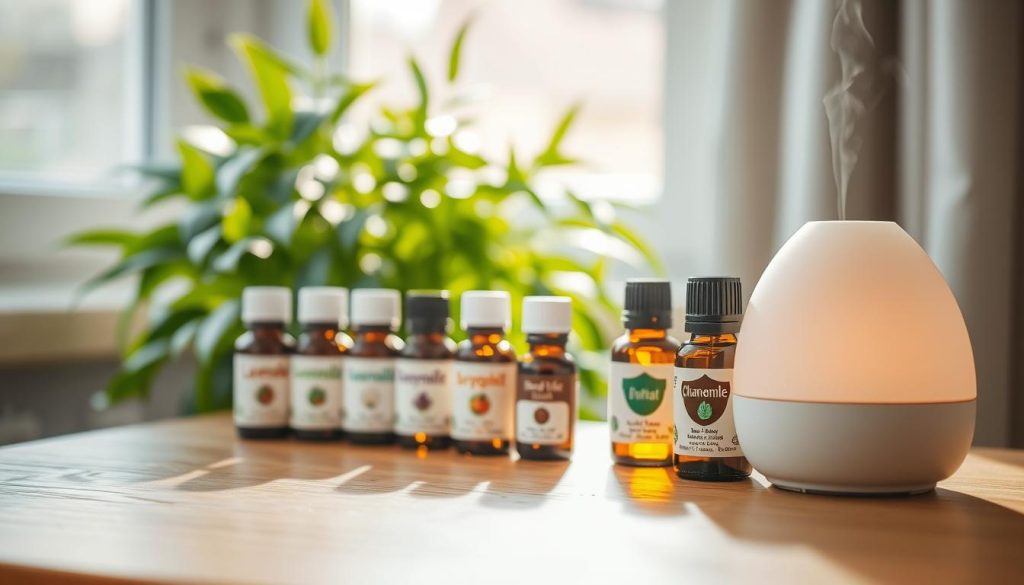
Essential oils used in aromatherapy can significantly impact the nervous system, helping to reduce anxiety symptoms. When inhaled, these oils interact with the brain’s limbic system, which is responsible for emotional responses. Certain essential oils, such as lavender and chamomile, have a calming effect on the nervous system, promoting relaxation and reducing anxiety.
Comparing Aromatherapy to Other Anxiety Treatments
Aromatherapy can be used alongside conventional anxiety treatments, offering a complementary approach to managing anxiety. Unlike some pharmaceutical treatments, aromatherapy is generally free from side effects, making it an attractive option for those seeking natural relief. Aromatherapy’s holistic approach focuses on both the physical and emotional aspects of anxiety, providing a comprehensive method for anxiety management.
Setting Realistic Expectations for Aromatherapy Benefits
While aromatherapy can be highly effective in reducing anxiety, it’s essential to set realistic expectations. Aromatherapy is not a cure-all solution but rather a valuable tool in a broader anxiety management plan. Consistency and patience are key, as the benefits of aromatherapy can vary from person to person. By incorporating aromatherapy into a daily routine, individuals can experience significant relief from anxiety symptoms over time.
In conclusion, aromatherapy offers a natural and effective way to reduce anxiety by utilizing calming essential oils. By understanding how essential oils affect the nervous system and setting realistic expectations, individuals can harness the full potential of aromatherapy as part of their anxiety management strategy.
Essential Oils That Combat Anxiety Effectively
When it comes to managing anxiety, certain essential oils have proven to be highly effective. Aromatherapy, a holistic healing treatment, utilizes these oils to promote relaxation and reduce stress. By understanding the properties and application methods of these oils, individuals can better manage their anxiety.
Lavender: Properties and Application Methods
Lavender oil is renowned for its calming effects. It can be used in a diffuser to create a soothing atmosphere or applied topically after being diluted with a carrier oil. Its calming properties make it an excellent choice for promoting a good night’s sleep.
Bergamot: Benefits and Usage Guidelines
Bergamot oil is another effective essential oil for anxiety relief. It has a citrusy scent that uplifts the mood and reduces stress. Bergamot oil can be used in aromatherapy baths or inhaled directly from a cloth or handkerchief.
Chamomile: Calming Effects and Best Practices
Chamomile oil is known for its soothing effects on the mind and body. It can be used in a warm bath or inhaled through steam inhalation. Chamomile is particularly effective in calming the nervous system.
Frankincense and Ylang Ylang: Ancient Remedies for Modern Stress
Frankincense and Ylang Ylang oils have been used for centuries to promote relaxation and reduce anxiety. Frankincense oil has anti-inflammatory properties, while Ylang Ylang oil is known for its sweet, floral scent that calms the mind. Both can be used in massage oils or inhaled directly.
Creating Effective Anxiety-Relief Blends
Blending different essential oils can enhance their anxiety-relieving effects. For example, combining lavender and bergamot oils can create a powerful blend that promotes relaxation and uplifts the mood. Experimenting with different ratios can help individuals find the most effective blend for their needs.
Step-by-Step Aromatherapy Techniques for Daily Use
There are several straightforward aromatherapy techniques that can be easily incorporated into your daily routine to help manage anxiety. By learning and practicing these methods, you can develop a personalized approach to anxiety relief that suits your lifestyle and preferences.
Setting Up and Using an Essential Oil Diffuser
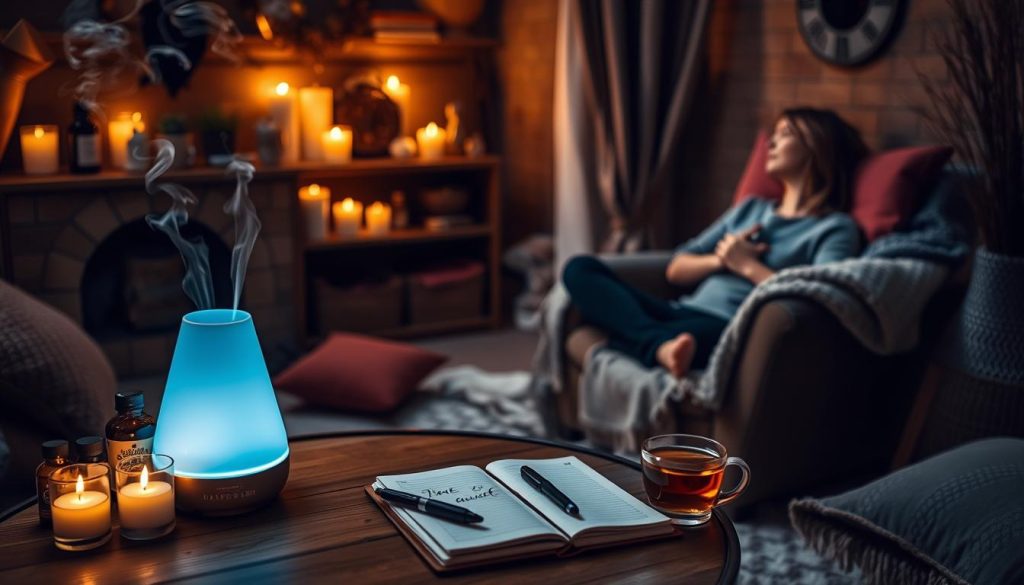
Using an essential oil diffuser is one of the simplest ways to enjoy the benefits of aromatherapy. To set up your diffuser, start by filling the water reservoir to the recommended level. Add a few drops of your chosen essential oil – for anxiety relief, lavender or chamomile are excellent choices. Turn on the diffuser and adjust the mist output according to your preference. You can run it continuously or set a timer for specific intervals.
Creating and Applying Aromatherapy Massage Oils
Massage oils infused with essential oils can provide both physical relaxation and emotional comfort. To create an aromatherapy massage oil, mix a few drops of your chosen essential oil with a carrier oil like jojoba or sweet almond oil. Gently massage the blend onto your skin, focusing on areas like the temples, neck, and shoulders. This technique not only helps in reducing anxiety but also promotes overall well-being.
Preparing Aromatherapy Baths for Deep Relaxation
An aromatherapy bath is a luxurious way to unwind and relieve anxiety. Add 5-10 drops of your preferred essential oil to warm bath water and soak for at least 20 minutes. The warm water helps to absorb the essential oil through your skin, while the aroma fills the air, creating a calming atmosphere. Frankincense and ylang-ylang are particularly effective for promoting deep relaxation.
Making Personal Inhalers for On-the-Go Relief
Personal inhalers are portable and convenient tools for managing anxiety on the go. To make an inhaler, you’ll need a blank inhaler tube and cotton wicks. Add a few drops of essential oil to the wick, then assemble the inhaler according to the manufacturer’s instructions. Carry it with you and use it whenever you feel anxious or stressed.
Safety Precautions and Potential Side Effects
While aromatherapy is generally safe, there are some precautions to keep in mind. Always dilute essential oils with a carrier oil before applying to the skin, as they can be very potent. Some people may be allergic to certain essential oils, so it’s wise to do a patch test before using a new oil. Pregnant women, children, and people with certain medical conditions should consult a healthcare professional before using aromatherapy. By being aware of these factors, you can safely enjoy the benefits of aromatherapy for anxiety relief.
Conclusion: Building Your Personalized Aromatherapy Routine
By incorporating aromatherapy into your daily life, you can discover natural ways to reduce anxiety with aromatherapy. The essential oils and techniques discussed throughout this article offer a holistic approach to anxiety relief through aromatherapy, promoting relaxation and well-being.
To build your personalized aromatherapy routine, start by experimenting with different essential oils and methods of application. Whether you prefer using a diffuser, creating massage oils, or enjoying a relaxing bath, there’s an aromatherapy technique to suit your needs.
As you explore the world of aromatherapy, remember that consistency is key. Regularly practicing aromatherapy can lead to significant benefits in managing anxiety and promoting overall well-being. By making aromatherapy a part of your daily routine, you can experience the long-term advantages of this natural therapy.
FAQ
What is aromatherapy and how can it help with anxiety?
Aromatherapy is a natural therapy that uses essential oils to promote relaxation, reduce stress, and alleviate anxiety. By inhaling specific scents, individuals can experience a calming effect on their nervous system, helping to manage anxiety symptoms.
Which essential oils are most effective for anxiety relief?
Some of the most effective essential oils for anxiety relief include lavender, bergamot, chamomile, frankincense, and ylang-ylang. These oils have been shown to have a positive impact on anxiety symptoms, promoting relaxation and reducing stress.
How do I use essential oils for anxiety relief?
Essential oils can be used in various ways, including diffusion, topical application, and inhalation. You can add a few drops of essential oil to a diffuser, mix with a carrier oil for massage, or inhale directly from a cloth or handkerchief.
Can I use aromatherapy in conjunction with other anxiety treatments?
Yes, aromatherapy can be used in conjunction with other anxiety treatments, such as cognitive-behavioral therapy (CBT) or medication. Aromatherapy can be a valuable complementary therapy, enhancing the effectiveness of other treatments.
Are there any safety precautions I should take when using essential oils for anxiety relief?
Yes, it’s essential to take safety precautions when using essential oils. Always dilute essential oils with a carrier oil, avoid applying to sensitive areas, and consult with a healthcare professional if you have any underlying medical conditions or allergies.
How can I create effective aromatherapy blends for anxiety relief?
To create effective aromatherapy blends, you can combine different essential oils that have anxiety-relieving properties. Start with a base oil, such as lavender, and add complementary oils, such as bergamot or chamomile, to create a unique blend that suits your needs.
Can I use aromatherapy on a daily basis for anxiety management?
Yes, aromatherapy can be used on a daily basis as part of a comprehensive anxiety management plan. Regular use can help promote relaxation, reduce stress, and alleviate anxiety symptoms.